Why AI Is Hard to Scale in Environmental Health and Safety

Brady Keene
Co-founder, COO and Head of Safety

At a glance: AI in safety only scales when the entire system works, not just the AI. Data quality, governance, cybersecurity, and operational fit determine whether outputs remain reliable as conditions change. Without that foundation, even impressive tools struggle to survive real world use.
Artificial intelligence (AI) is rapidly entering the Environmental Health and Safety profession, but scaling AI in safety environments introduces challenges that many vendors underestimate.
Reliable AI systems require meaningful compute, disciplined data pipelines, cybersecurity protections, integration with legacy systems, and ongoing governance. Safety data is messy, unstructured, and deeply context dependent. Field conditions change constantly, which makes consistency difficult to maintain across job sites, teams, and operating environments.
When AI systems deliver inconsistent answers or create false confidence, trust erodes quickly. In safety operations, reliability carries more weight than novelty because decisions influence real exposure and real people. A tool that behaves unpredictably weakens confidence in both the technology and the safety decisions built on top of it.
Many AI safety software platforms prioritize demonstration value over operational value. They perform well in controlled demos but struggle inside real workflows, unpredictable field conditions, and complex organizational processes. This gap between marketing performance and operational performance is one of the largest barriers to scaling AI in Environmental Health and Safety.
Safety Data Is Messy and Context Dependent
Safety is not a clean data environment. Observations arrive through voice notes, photos, informal field conversations, handwritten notes, near miss reports, inspections, and legacy systems that rarely communicate well with each other. Language varies by trade, region, company, and experience level. The same hazard or exposure may be described in multiple ways depending on who is reporting it and what they notice in the moment.
Context drives meaning more than labels. Without capturing context, safety data analytics often flatten important nuance and produce insights that feel disconnected from real work. This creates challenges for artificial intelligence models that depend on consistency and structure to perform reliably.
Many organizations assume they have a data volume problem when the real issue is how safety data is captured, structured, normalized, and governed. Weak data foundations limit the effectiveness of any digital transformation in EHS.
Reliability and Consistency Matter More Than Novelty in High Risk Work
In high risk work environments, consistency and traceability matter as much as raw capability. Safety professionals and field leaders need systems that behave predictably, generate stable outputs, and clearly show why a recommendation or classification exists.
Small inconsistencies compound quickly when conditions change daily and decisions influence real exposure. When users cannot anticipate how an AI safety platform will respond, they adapt by working around it or disengaging altogether. Trust is difficult to rebuild once reliability concerns appear.
Scaling AI in safety requires engineering for predictable behavior, controlled data quality, governance, and transparent system behavior. This work often receives less attention than feature development but ultimately determines whether a safety technology platform survives operational use.
Operational Workflows Are Harder Than Product Demos
Most AI platforms struggle not because of weak models, but because of shallow workflow integration. Safety work spans job sites, shifts, weather conditions, contractors, regulatory constraints, and human variability. Tools must function on mobile devices, offline, in noisy environments, and under time pressure.
If AI increases friction, adds administrative burden, or forces users to translate real work into artificial formats, adoption declines quickly. Even strong artificial intelligence capabilities cannot overcome workflow resistance. Operational fit determines whether safety technology becomes embedded in daily work or remains a pilot project.
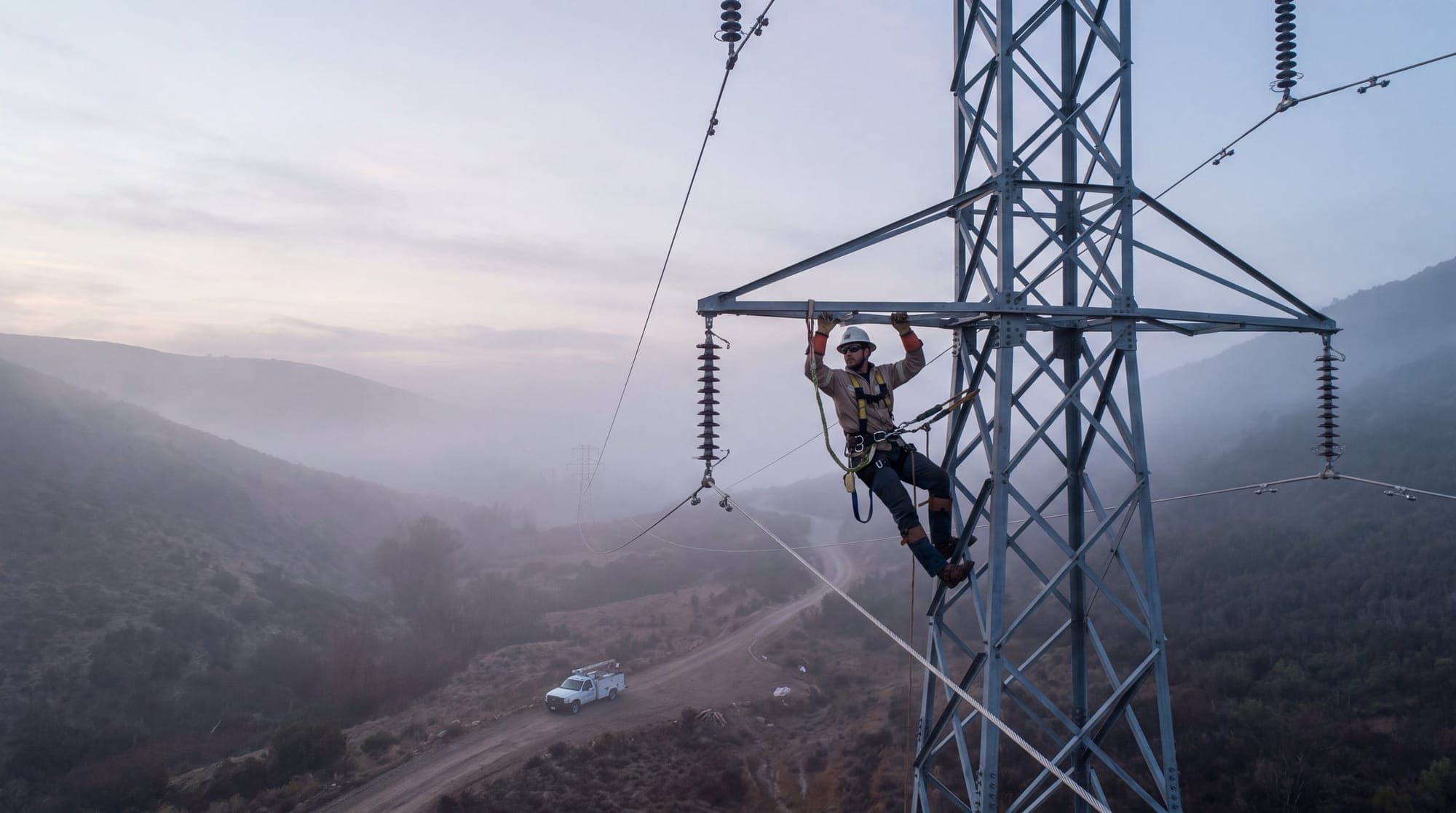
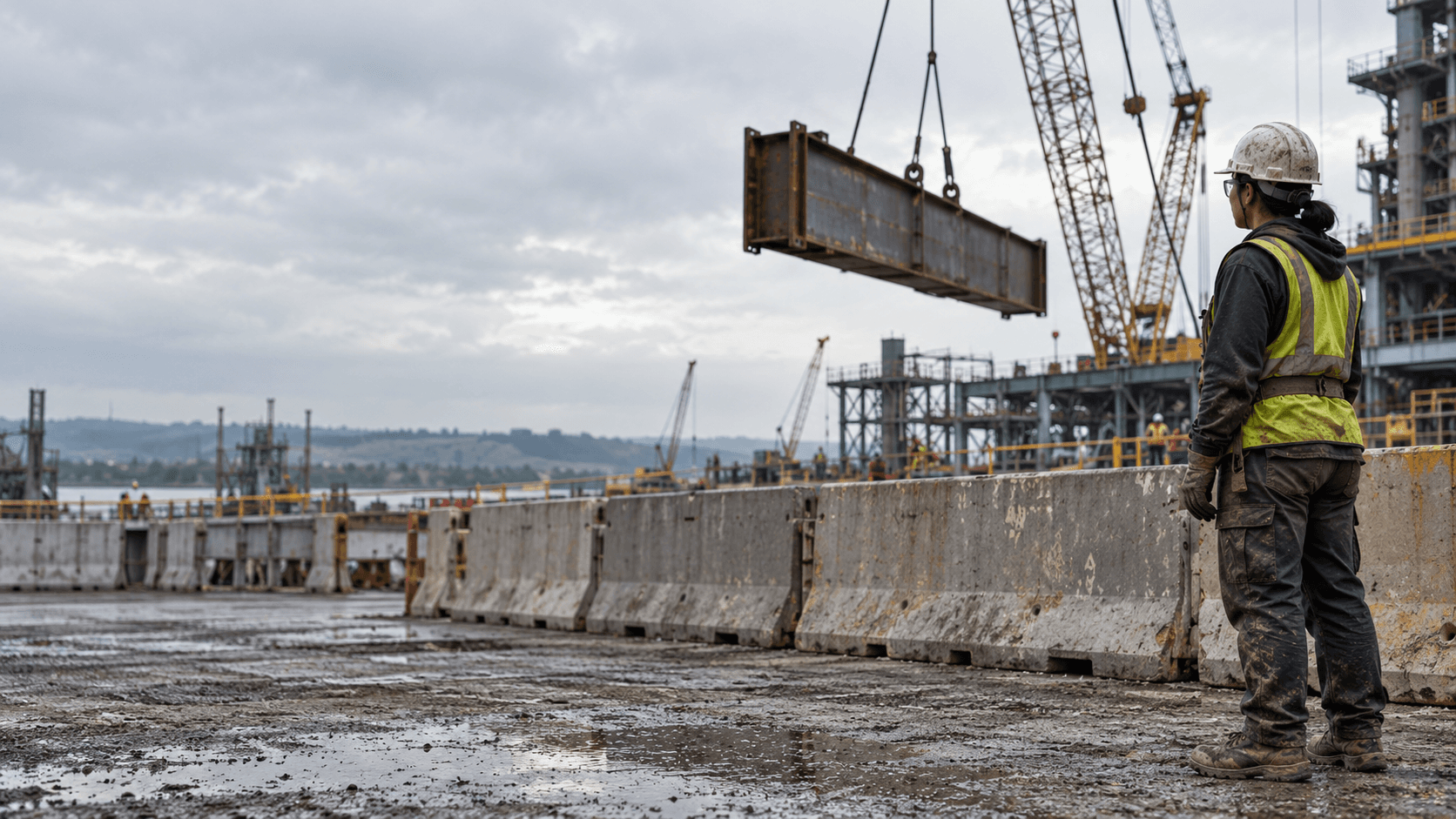
Construction safety technology, utility safety systems, and manufacturing safety platforms all face similar adoption constraints when digital tools fail to align with how work actually happens in the field.
Scaling AI in Safety Requires Systems Thinking
Artificial intelligence in safety is not a standalone feature. It functions as part of a broader system that includes data collection methods, language normalization, cybersecurity, governance, integrations, analytics, and feedback loops into operational decision making.
Operational learning in safety depends on connecting weak signals from daily work into how controls are designed, how work is planned, and how leaders allocate resources. When AI systems stop at dashboards or reports, learning remains delayed and disconnected from real operational change.
Strong systems thinking allows safety data analytics to support earlier detection of drift, emerging risk patterns, and system fragility rather than simply reporting historical outcomes.
The AI Safety Market Is Still Early in Its Maturity
The market for AI in Environmental Health and Safety remains early in its maturity curve. As organizations move beyond pilots, expectations around reliability, governance, cost control, cybersecurity, and operational integration increase rapidly. Many AI safety software platforms will struggle to meet these demands at scale.
Long term success will favor organizations that invest in durable infrastructure, disciplined data practices, and deep operational alignment rather than rapid feature velocity or superficial innovation. Digital transformation in EHS requires sustained commitment to system quality rather than short term experimentation.
AI has meaningful potential to improve how safety organizations learn and adapt in high risk environments, but responsible scaling requires patience, operational discipline, and deep respect for how work actually occurs in the field.
Keep reading
Related Posts
Continue reading with these related articles