What are Direct Controls?

Brady Keene
Co-founder, COO and Head of Safety
At a glance: Not all energy is equal. Some will bruise, some can kill. High energy is the kind that drives serious injuries and fatalities. Direct controls are what actually stop that energy from reaching a worker. PPE, procedures, and training help, but they are not direct controls. Most SIF events share the same story. High energy was present, and no direct control was in place. Knowing the difference changes how you plan, observe, and respond.
Why this matters
If you read the last post on energy sources, you already know energy is the foundation of most serious injuries. But, there is a second layer that matters just as much. Not all energy is created equal.
A dropped wrench from waist height and a dropped wrench from the fifth floor are both "falling object" events. One bruises a toe. The other can end a life.
That is the whole point of separating high energy from general energy. It forces you to focus on what can actually take a life or change one forever.
What makes energy "high"
The general rule used across the industry is 500 foot pounds or more. You do not need to memorize the number. You need to recognize the situations it points to.
High energy usually shows up in a handful of scenarios:
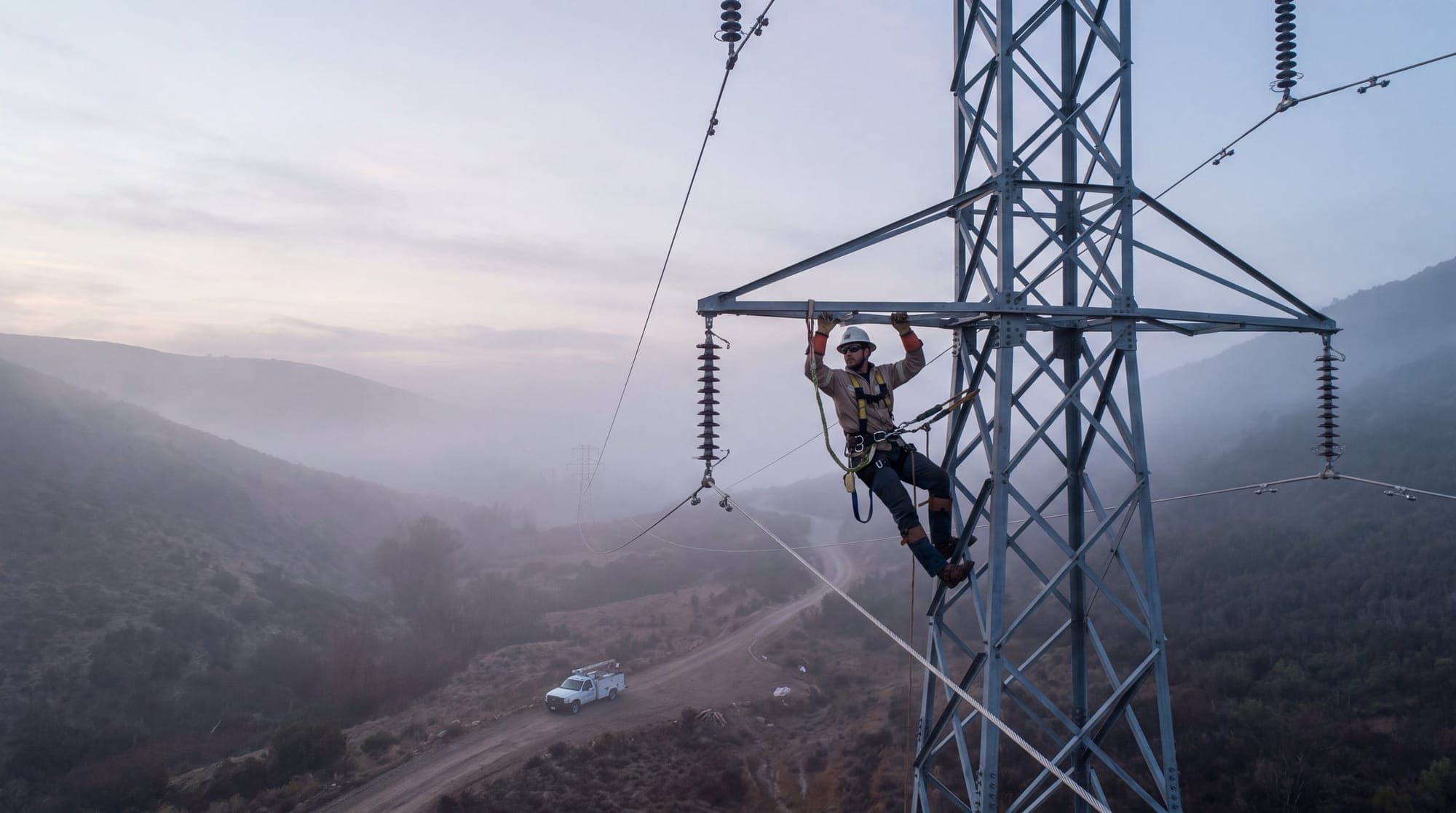
- Falls from height above four feet
- Vehicles or mobile equipment in motion
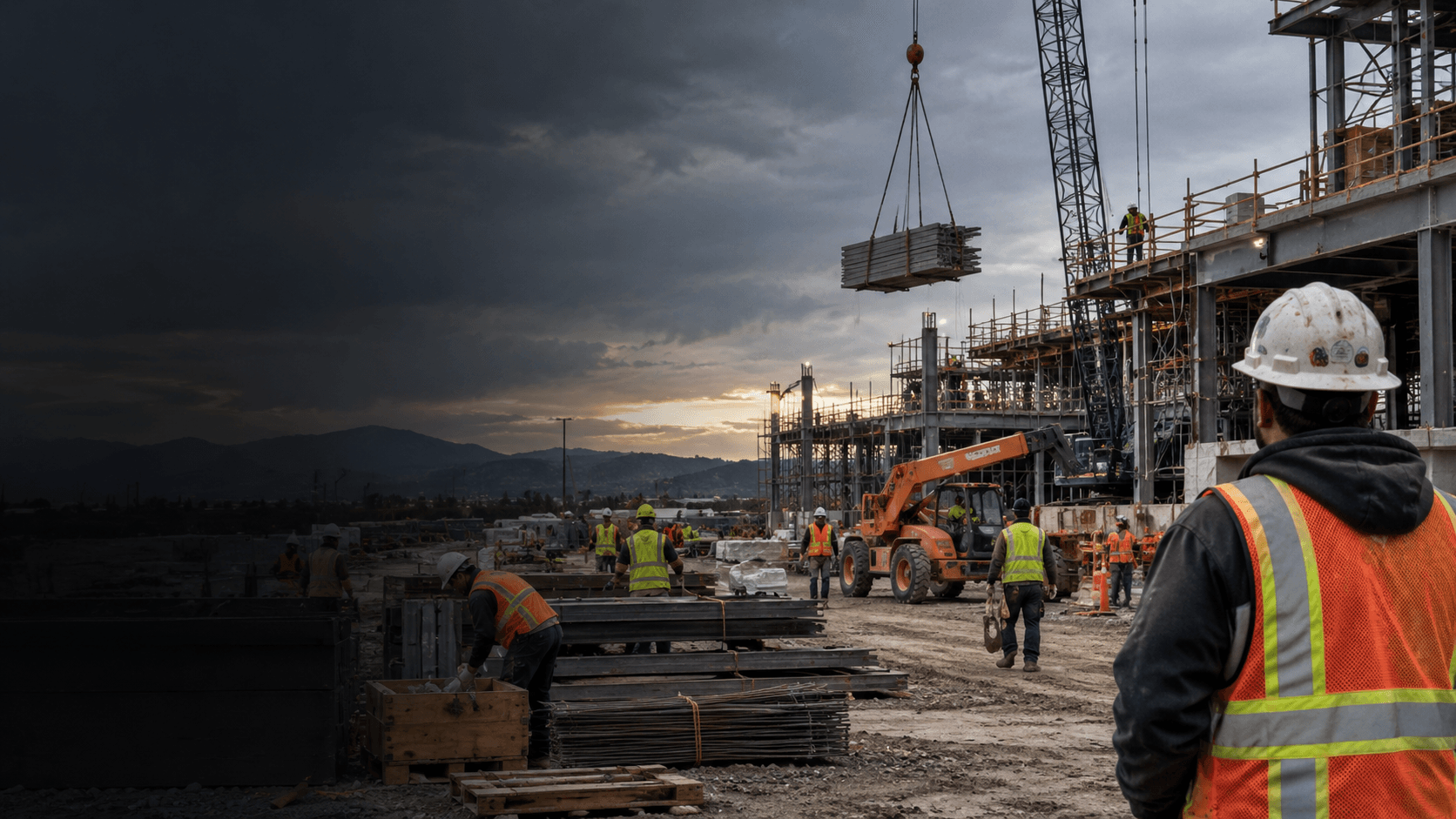
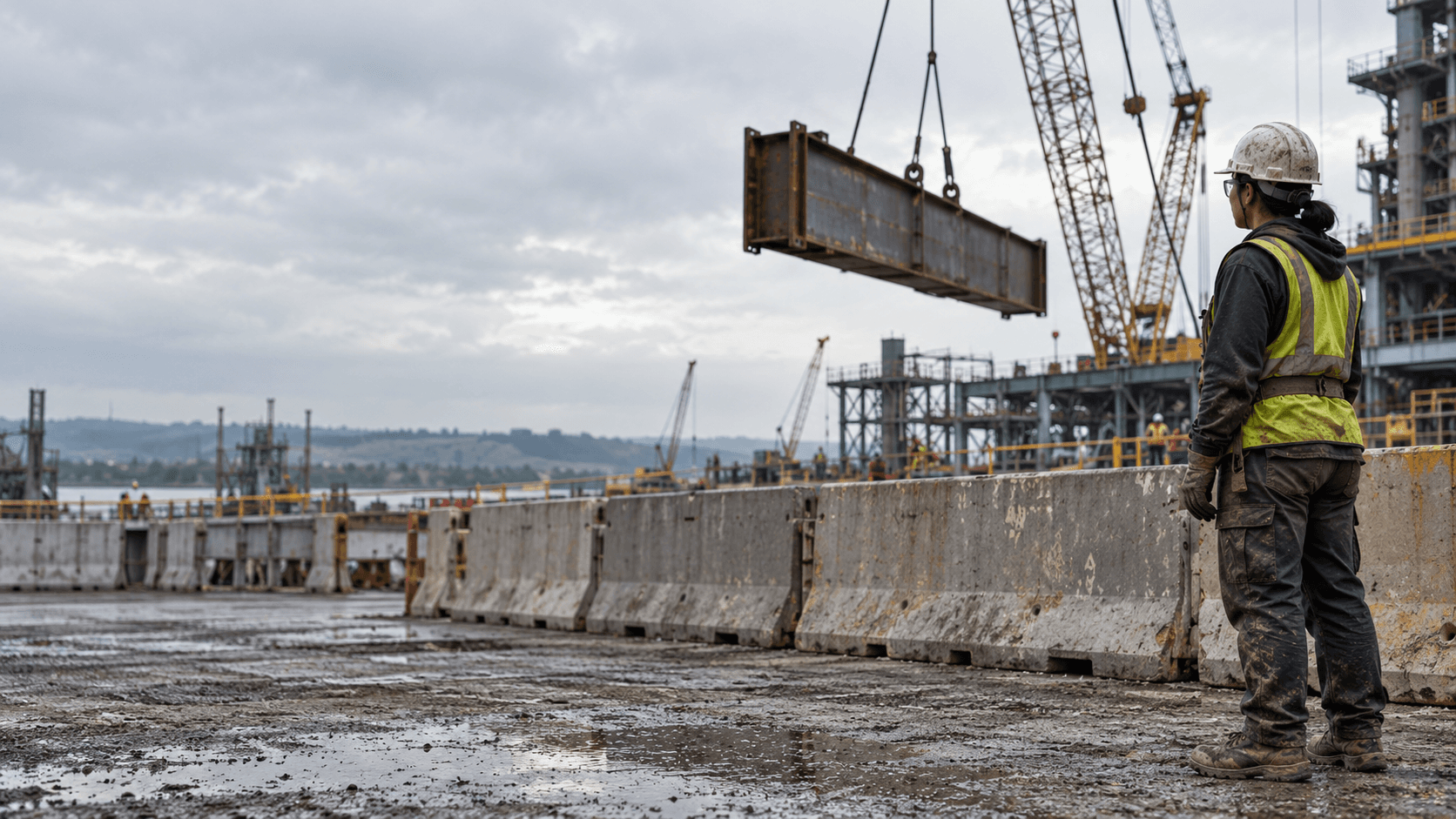
- Heavy objects lifted, suspended, or swinging
- High voltage electrical contact
- Steam, high temperature liquids, or molten material
- Explosions and releases of stored pressure
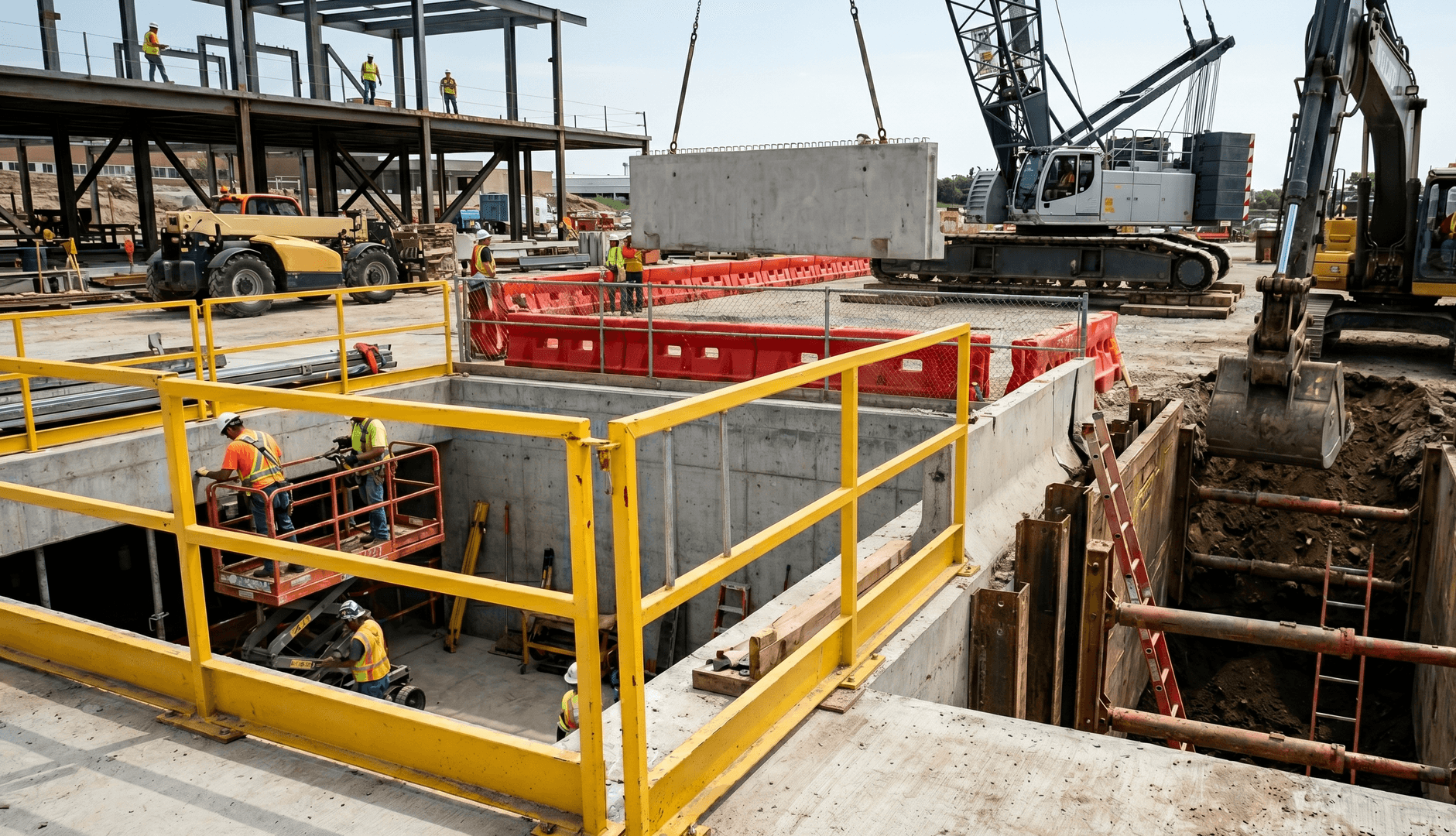
- Excavation collapse
- Arc flash
- Fires involving sustained heat
If any of these are in the work, you are not just managing hazards. You are managing exposure to something that can end a life in seconds.
What a direct control actually is
This is where a lot of programs get tripped up. People assume that if something is written on a JHA, it counts as a control. It might, or it might not.
A direct control has three features:
- It specifically targets the high energy hazard.
- It works even if a worker makes a mistake.
- It is verified to be in place before work starts.
That third feature is the one most systems miss.
Examples of direct controls:
- LOTO for hazardous energy
- Guardrails and fall restraint for gravity
- Hard barricades for mobile equipment
- Shoring or sloping for excavations
- Blinds and isolation for pressure systems
- Cribbing and positive stops for suspended loads
More importantly, notice what is not on that list. Training is not a direct control. Procedures are not a direct control. Awareness is not a direct control. PPE is usually not a direct control for high energy, though it sometimes matters as a last line of defense.
Those things support safe work, but they do not stop energy.
Why this distinction is not optional
The research on SIF prevention is clear on one thing. When serious injuries and fatalities happen, the pattern almost always looks the same. High energy was present. A direct control was missing, failed, or was never actually verified. That is the story, again and again.
When you look at safety work through this lens, a lot of activity that feels productive starts to look thin. A signed form without a verified barrier is not protection. A training class without a physical control in the field is not protection. A JHA that lists PPE against a 480 volt exposure is not protection.
This is not about blaming anyone. It is about being honest with ourselves about what actually stops energy from reaching people.
How to start applying this tomorrow
You do not need a new program to use this. You need a better question.
When you look at a task, walk it in three steps.
- Ask if high energy is present. Be specific about the source.
- Identify the control that directly matches that energy. Name it out loud.
- Verify it. Walk to it. See it. Touch it if you can. Do not assume it is there because someone said so.
If you cannot find a direct control for a high energy exposure, stop. That is the moment that matters most in your day.
Final thought
Safety is not about eliminating risk. That is not possible in real work. It is about knowing where the life altering exposures live and making sure something real and physical stands between that energy and the people doing the job.
Checklists do not stop energy. Barriers, isolation, and verified controls do.
When the work involves something that can kill, the question is simple. What is the direct control, and is it in place right now?
If you can answer that with confidence, you are doing the most important job in safety.
FAQ
Is low energy work safe to ignore? No. Low energy exposures still cause injuries every day. They rarely cause fatalities. High energy deserves a different level of attention and a different standard of control.
Are administrative controls ever direct controls? Usually no. They can support direct controls, but they do not physically stop energy from moving.
What if a direct control is not feasible? That is a signal to rework the task. If nothing physical can protect the worker, the work probably needs to change before it starts.
Does this replace the hierarchy of controls? No. It sharpens it. The hierarchy still applies. This just clarifies which controls actually count when the stakes are highest.
Keep reading
Related Posts
Continue reading with these related articles