Zero Recordables Do Not Predict Safe Work

Brady Keene
Co-founder, COO and Head of Safety
At a Glance:
Zero recordables cannot predict safety because they measure outcomes, not exposure. A site can look calm while high energy hazards, variability, drift, and weak signals quietly increase risk. Serious harm comes from STKY hazards that do not show up in injury logs. Real safety comes from strong controls, verified capacity, and honest learning about how work actually happens.
Leaders often celebrate zero recordables as proof that a site is safe. It feels like a clear signal that systems are working and crews are protected. But this confidence is misplaced. Zero recordables cannot predict safety because they measure outcomes rather than exposure. They record what happened, not what almost happened. They tell you nothing about the strength of your controls or the amount of risk your crews navigated to finish the day.
An organization can look calm on paper while real risk grows beneath the surface. High energy hazards still live in the work. Variability still shapes the environment. Workers still adapt to changing conditions. Controls still erode slowly through normal production pressure. None of this appears on an injury log.
Safety is not defined by the absence of harm. Safety is defined by the presence of strong controls, honest learning, and the ability to absorb failure when something goes wrong (aka capacity).
The Limits of Injury Based Measurement
Recordable injury rates are easy to count. They offer a simple story. The fewer the injuries, the safer the site must be. But this logic fails in high energy work. Most serious injuries do not come from low level hazards. They come from STKY (Shit That Kills You). These are the exposures with the power kill in a single moment.
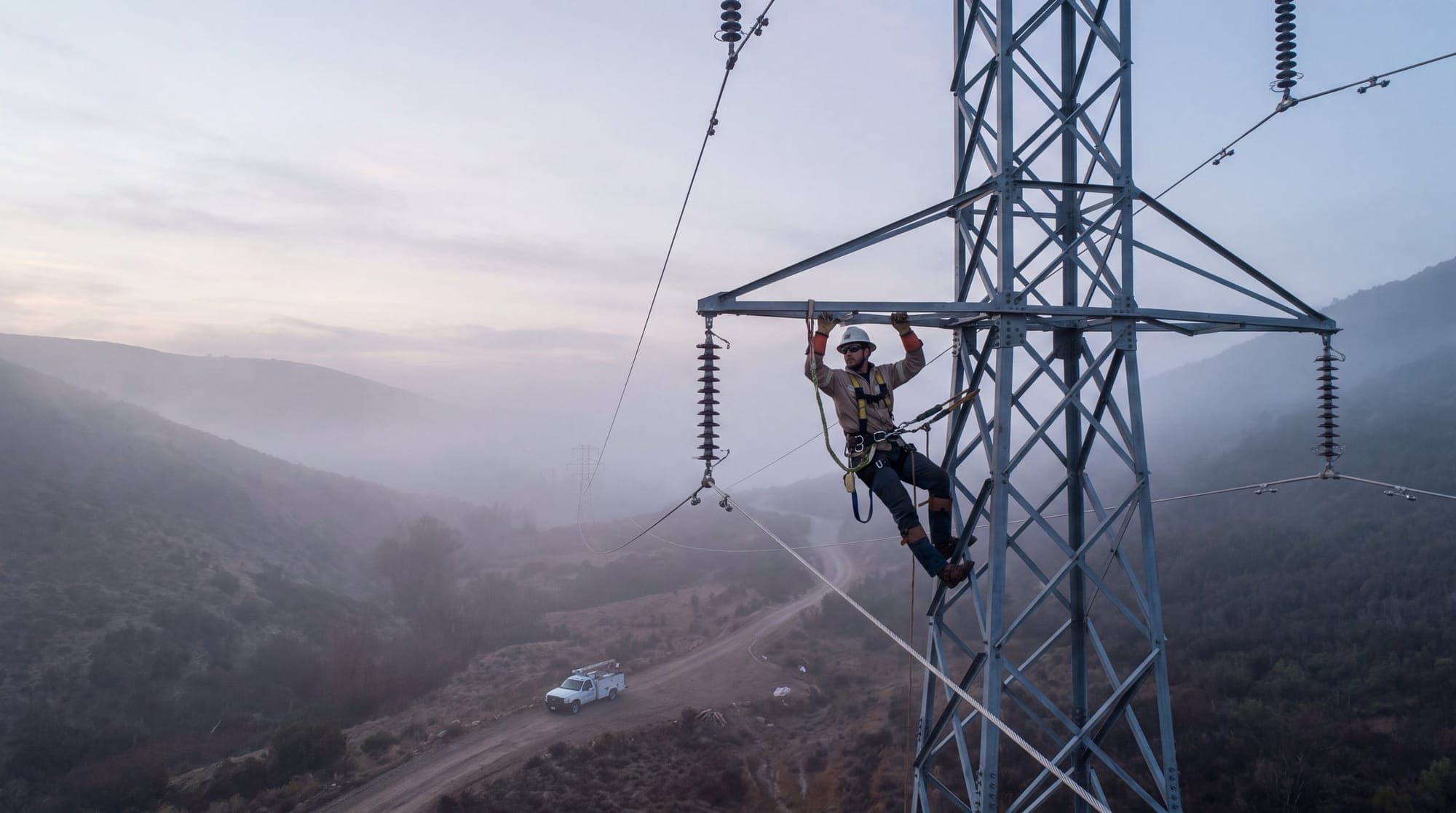
STKY lives in gravity, motion, electrical energy, pressure, and stored force. These are the hazards that matter most. These exposures can sit quietly for months while injury rates remain perfect. Zero recordables only means that energy has not reached a human yet. It tells you nothing about how close you came.
What Actually Drives Serious Events
Serious injuries rarely happen without warning. They grow through predictable patterns that hide in everyday work.
Three forces shape these patterns.
• Variability
• Drift
• Weak signals
Variability is not rare, it is constant and we should consider it the natural state of work. It is the constant change in weather, equipment, soil, sequencing, crew makeup, and production flow. Workers adapt to these changes because the job demands it. This adaptation creates drift. Drift is the slow movement away from intended controls. It is subtle. It looks like routine work. It feels normal. But drift steadily thins the protection between the worker and the energy.
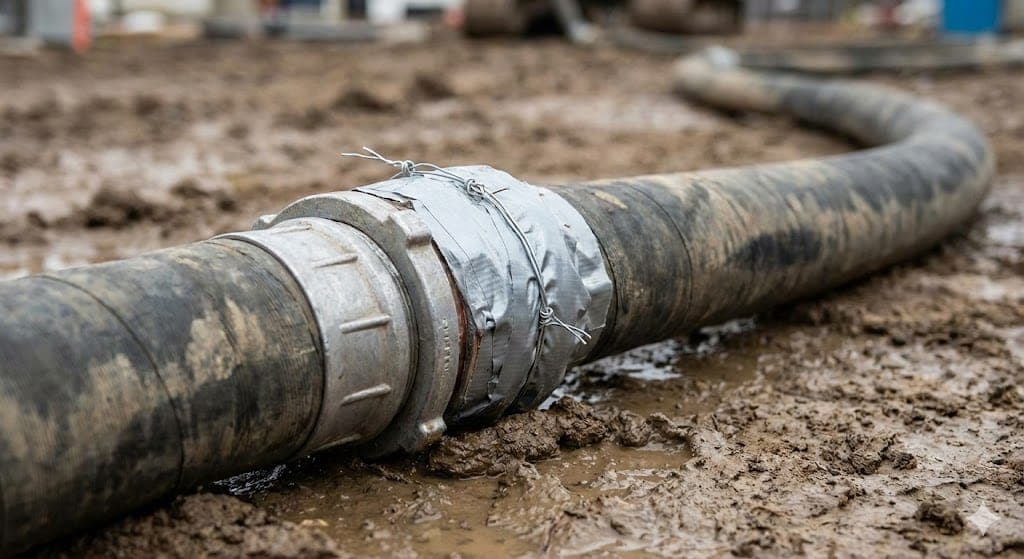
While drift grows, the site produces weak signals. Small verbal cues that reveal pressure or doubt. A workaround that saves time appears in the field. A tool or piece of equipment is left slightly out of place but still usable. Two workers disagree quietly about the right way to do something, then choose speed. These signals do not cause injuries. They do not trigger metrics. They simply warn that the conditions surrounding a STKY are shifting.
Zero recordables cannot detect any of this. Only a system that listens to weak signals and studies the gap between work as imagined and work as done can see real risk developing.
The Role of Capacity
Capacity is the strength that remains when a mistake occurs. It is the margin between a near miss and a fatal event. Capacity is created by verified controls, redundant protections, and systems that assume drift will occur rather than hope it will not.
Capacity is what holds the trench wall when soil changes.
Capacity is what catches the fall when the tie off point is tested.
Zero recordables do not reveal whether capacity exists. They simply show that the system has not been pushed to its limit yet. A strong safety program focuses on building capacity, not counting injuries.
Where Energy Based Safety Fits In
Energy based safety places attention on where energy lives, where it can move, and which controls prevent that movement from reaching a human. This approach turns safety from bookkeeping into risk recognition. It helps crews identify the hazards that matter most and see the early signs of exposure before a serious event.
The goal is not to list every form of energy. The goal is to understand the relationship between energy and controls. When energy is well understood, variability becomes visible. Drift becomes noticeable. Weak signals become clear. Capacity becomes measurable.
This is how organizations move from zero recordables to systems that can predict and prevent serious harm.
The Path Forward
A company that relies on recordable injury rates is flying blind. A company that listens for weak signals, studies drift, and verifies controls can see risk long before it becomes harm.
The next step is simple.
Shift attention from outcomes to exposure.
Shift conversations from injury counts to control strength.
Shift learning from after the event to before the event.
This is how safety becomes real instead of theoretical.
Keep reading
Related Posts
Continue reading with these related articles