Understanding Energy Sources in Safety

Brady Keene
Co-founder, COO and Head of Safety
At a glance
- Energy is present in every task, whether anyone is looking at it or not
- Most serious injuries happen when energy moves in a way no one controlled
- Energy based safety is a way of seeing work, not a new program to buy
- A short list of energy sources shows up on almost every job
- Three simple questions change how a team thinks about a task
- The shift is small on paper and large in the field
Why we are talking about energy
Most safety training starts with rules. Wear the vest. Sign the form. Follow the procedure. Yes, rules matter, but they are not where safety actually starts. Safety starts with physics.
Every task on a site involves energy in some form. Something has to move, pull, lift, flow, or heat up for work to happen. That energy is the reason the job gets done. It is also the reason people get hurt. When you start looking at work through that lens, safety stops being about paperwork and starts being about reality.
What energy means in this context
In safety, energy is any source that can cause harm if it is not controlled. It is not a philosophical idea. It is the same energy from your high school science class. Gravity, motion, heat, pressure. Electricity.
The difference is where it lives. It lives in the scissor lift holding a worker twenty feet in the air or in the excavator swinging a load near a traffic lane. It lives in the steam line running above a trench where two craft members are working.
Energy is always there. The question is whether anyone is treating it like it is there.
The main energy sources to know
You do not need a textbook. You need a short list you can carry in your head.
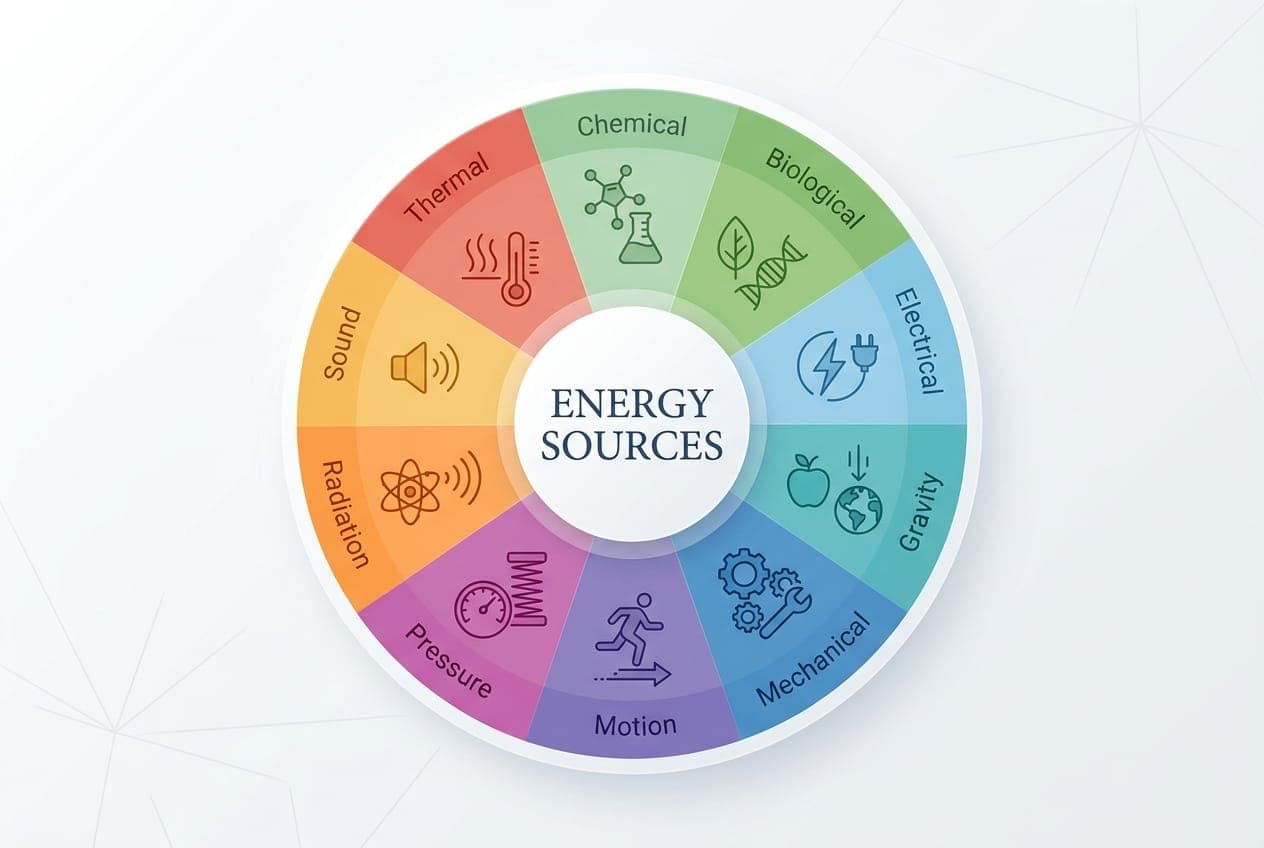
The sources that show up on almost every job:
- Gravity, including falls, falling objects, and suspended loads
- Motion, including vehicles, mobile equipment, and rotating parts
- Electrical, including contact, arc flash, and stored charge
- Pressure, including hydraulic, pneumatic, and process lines
- Thermal, including hot surfaces, steam, and friction
- Chemical, including reactive materials, flammables, and exposures
- Mechanical stored energy, including springs, tensioned cables, and loaded members
- Radiation, including welding arcs, lasers, and ionizing sources
- Sound, including impulse noise and sustained high levels
- Biological, where applicable, including medical and waste exposures
You will hear slightly different lists depending on who you ask. The exact count is less important than the habit of scanning for them.
What energy based safety actually is
Energy based safety is not a new program or competing system. It is a way of seeing.
Instead of asking if a task is compliant, you ask three questions.
- What energy is present.
- How is it being controlled right now.
- What happens if that control fails.
Three questions. That is it.
When a team runs every job through those questions, two things change quickly.
The conversation gets more honest. You stop pretending that signing a form makes you safe. You start talking about what is actually standing between a worker and a source of harm.
Priorities also shift. You spend less time on paperwork and more time on the handful of exposures that can actually kill someone.
Why this beats traditional hazard thinking
Traditional hazard thinking is built around categories. Slips, trips, falls, struck by, caught in between. It works, but it has a flaw. Those categories describe outcomes, not cause. Energy explains cause.
A fall from height is not really about falling. It is about gravity acting on a body that was no longer supported. A struck by event is not really about being in the wrong place. It is about motion or stored energy moving in a direction no one accounted for.
When you trace every serious event back, you land in the same place. Uncontrolled energy met an unprotected person. Energy based safety works because it starts at that root.
How to start using this lens tomorrow
You do not need buy in from leadership to start. You do not need a new policy. Just pick one task on your site. Walk to it. Stand there for two minutes.
Name every energy source you can see. Not hazards. Energy sources. Then ask who or what is standing between that energy and the people doing the work. If the answer is thin, you just found a real place to focus.
Do that on enough jobs, with enough crews, and your program starts to feel more grounded. Less about documents and more about what is happening in front of you.
That is the shift.
For organizations trying to build this habit across teams, technology can help reinforce the practice without replacing judgment. StepoAI uses AI within safety observations and inspections to help identify energy sources, surface controls, and support the reviewer in spotting what may have been missed. In practice, that can help newer inspectors learn faster, give experienced teams another layer of visibility, and create cleaner data that organizations can use to understand patterns over time.
FAQ
Is this replacing OSHA compliance? No. Compliance is the floor. Energy based safety is how you think about work above that floor.
Do I need special training to start? No. Anyone can begin with the three questions. Training helps you go deeper, but the entry point is simple.
Where does this approach fall short? It does not fix weak culture or missing resources on its own. It gives you a clearer view. What you do with that view is still up to the organization.
Is this the same as the hierarchy of controls? No, but they work together. Energy based safety helps you decide where to focus. The hierarchy helps you decide what to do about it.
Keep reading
Related Posts
Continue reading with these related articles