The Future of Safety Is Inside the Work

Brady Keene
Co-founder, COO and Head of Safety
For a long time, safety carried a specific kind of weight inside organizations, because it was the function that protected people, found hazards, and stepped in when the risk got too high. That role still matters and it always will.
But the market has changed, and the things that once made a safety program stand out have become table stakes. Training, audits, software, observations, dashboards, and forms all exist now, and every organization has them, which means everyone can say they care about safety and point to a platform to prove it.
That is exactly where the trouble starts. When safety gets packaged into the same tools and the same reports across every company, it loses its distinction and becomes easy to buy, easy to compare, and easy to treat as something you install from the outside. That is what commoditization looks like, and add ons rarely change how the work actually happens.
The add on model has hit its ceiling
In most organizations, operations owns the work and safety simply comments on it. Operations carries the schedule, the staffing gaps, the material problems, the client pressure, the sequencing mistakes, and the daily reality of getting the job done under changing conditions, while safety tends to arrive as another meeting, another review, or another pause point.
Even when the intent is right, the experience still feels separate, because safety only becomes visible when something goes wrong, when someone needs a sign off, or when paperwork is due. It reads as a checkpoint rather than a partner, and from outside the flow of work it is always late to the decisions that matter most, reacting to the plan instead of helping shape it.
This is not a theory argued from the sidelines. In March 2026, sixty safety leaders from more than thirty companies sat down together at Keene State College and landed on the same uncomfortable conclusion, which is that most field risk is not created in the field at all. It gets designed in upstream, inside bid, buyout, design, staffing, and schedule decisions, then mislabeled as an execution failure once it surfaces on the job. The full report from that gathering is worth reading, but blaming the field for outcomes priced and planned months earlier is one of the most expensive mistakes an organization can make.
What operations actually needs
Operations does not need another outsider with a clipboard, it needs people who understand how the work moves, where coordination breaks down, and how pressure builds before the day gets messy.
It needs partners who can see how rework, schedule compression, labor shortages, and shifting site conditions raise exposure long before anyone gets hurt, and who can speak to reality rather than policy because they know the work is never as clean as the procedure makes it sound. The leaders in that room were blunt about where the real exposure hides, and it is rarely in the risk register. It shows up in the daily friction that no dashboard tracks, the material delays, the hoist wait times, the electrician climbing seven flights of stairs for a part that should have been staged, and those small failures compound into fatigue, frustration, and the workarounds that quietly normalize risk. Helping teams see that friction is not a side topic sitting next to the work, it is the work itself.
What a real partner sounds like
A real operational partner does more than name what is wrong, because it helps the team succeed without going soft when the stakes are serious. Credibility comes from understanding both protection and production, since people listen more closely when they feel understood.
That shift changes the conversation itself. Instead of saying "you cannot do this," safety starts saying "if this is the path, here is what has to be true for it to go well," and instead of saying "policy requires this," it starts saying "this is where the plan is likely to break down." That is a different posture entirely, one that contributes to the work rather than policing it from a distance.
Why this matters now
If the only value safety brings is rule knowledge, the market will keep compressing it, because software organizes it, platforms distribute it, and templates standardize it. Over time, organizations start to assume they already have enough safety simply because they have enough documentation.
But documentation is not partnership, and knowing the rule does not mean understanding the moment. The same leaders warned that more data can make leaders less connected, because dashboards and apps manufacture a feeling of control while widening the distance from the work. A crew under pressure does not need another reminder that hazards exist, it needs help seeing how the plan is degrading in real time, before the small stuff compounds into something no one can walk back. That is the exact place where safety becomes irreplaceable again.
The future of safety is team membership
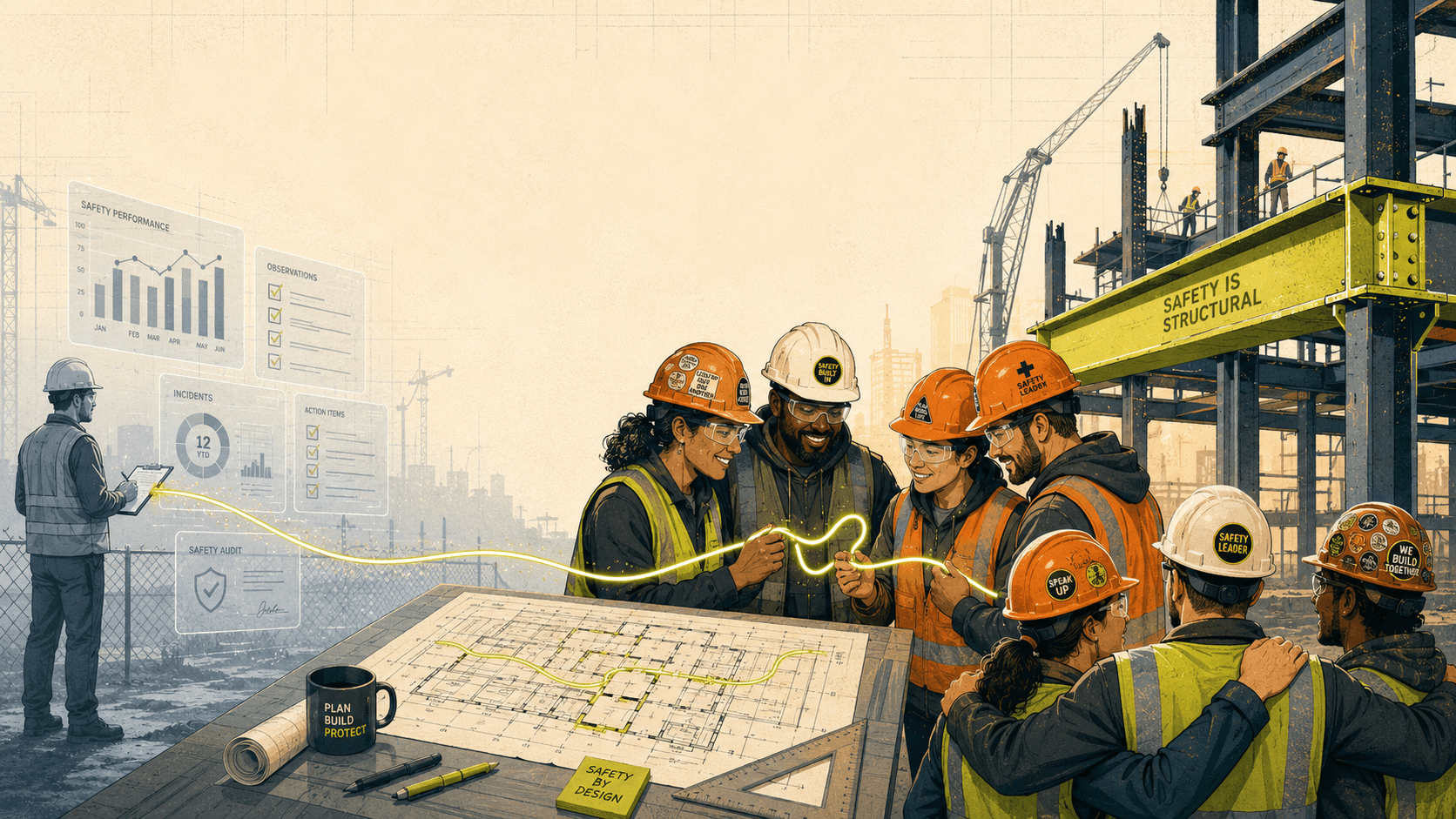
The next era of the profession belongs to the people who stop acting like an external function and start acting like part of the crew. They still know the regulations and care deeply about human life, but they also understand work flow, production pressure, planning logic, and the realities of execution, which lets them talk to field leaders, project managers, team leaders, operators, and executives as people who are inside the work rather than standing outside it looking in.
That is where the profession needs to go, toward something less administrative and more connected, less about proving presence and more about improving performance, less about being added on and more about belonging.
The goal is not for safety to disappear into operations, it is for safety to become inseparable from how strong operations run. That is the real shift, moving from function to teammate, from oversight to partnership, and from standing beside the work to helping the team make the work go right
Keep reading
Related Posts
Continue reading with these related articles