Solutions: Safety and EHS
For safety and EHS leaders: act on serious-injury potential first, and keep a closure record for every fix.
The problem
A finding that could kill someone sits on the same list as a loose cord
- What changes
- The day a finding is reported, serious-injury potential is flagged and its project moves up your dashboard.
- How Stepo does it
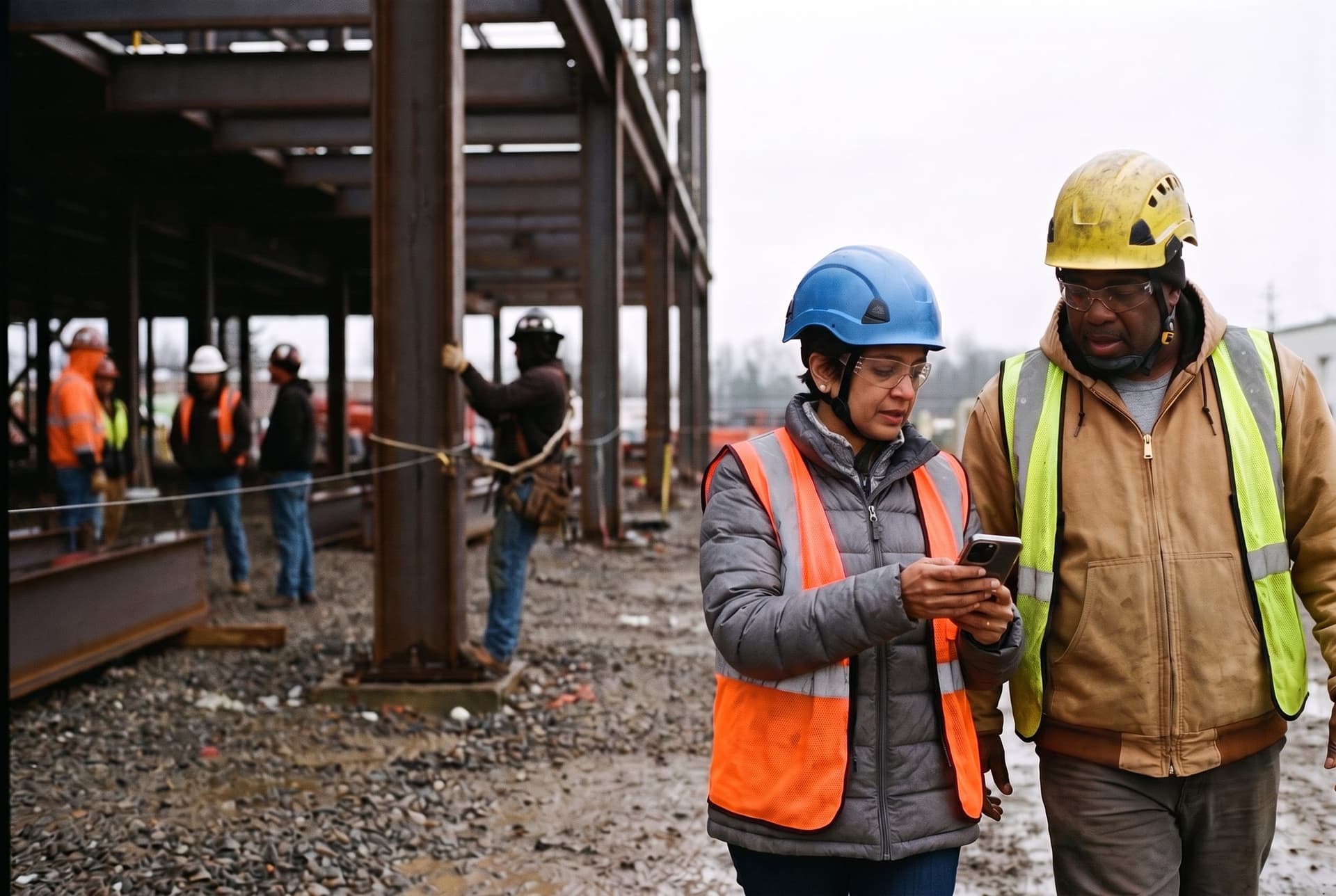
- Crews report with a voice note, and AI names the energy source, cites OSHA and your own program with the page, and flags serious-injury potential for your team to review.
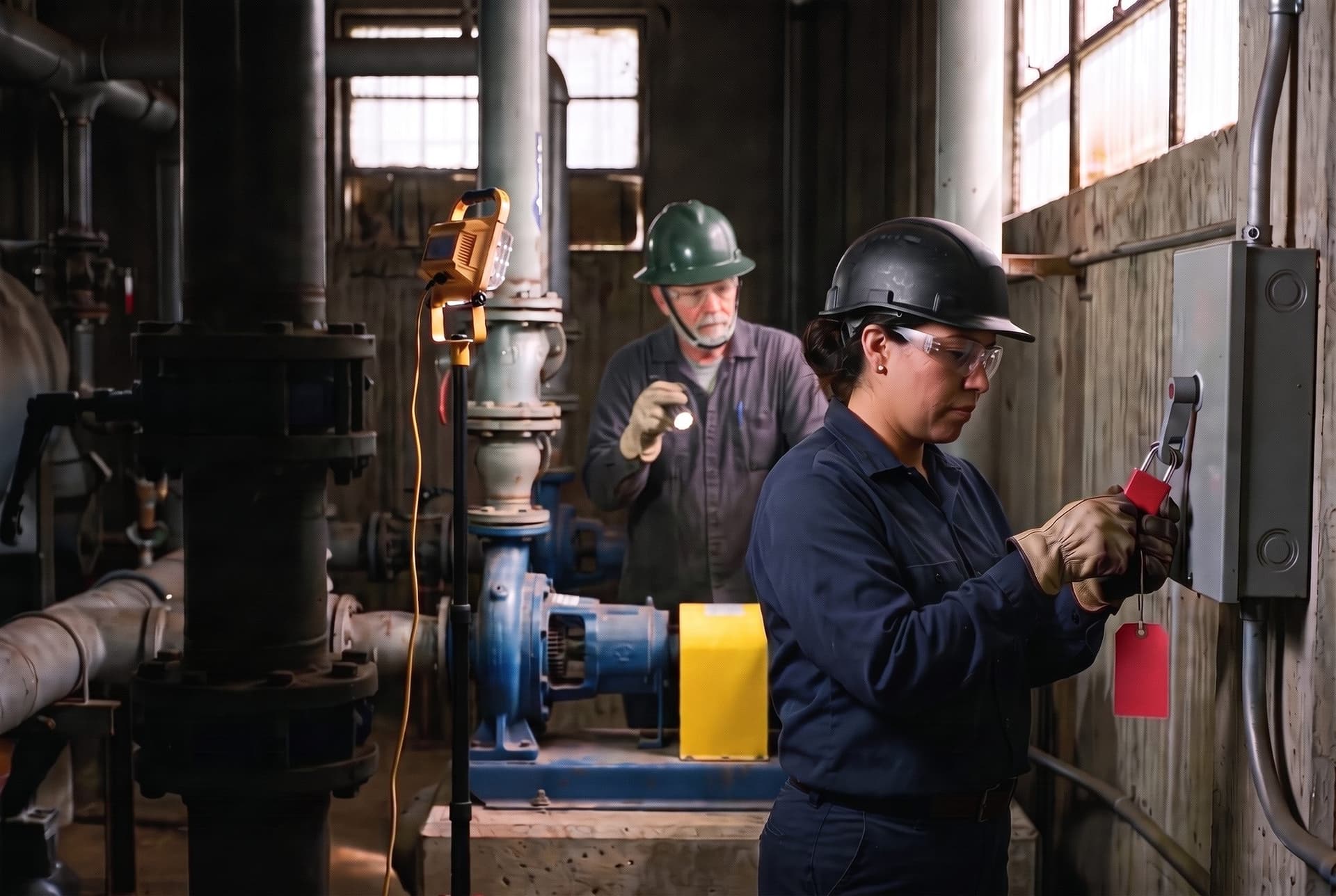
A direct control in place before the work starts
Serious-injury potential
Energy and controls, checked on every finding
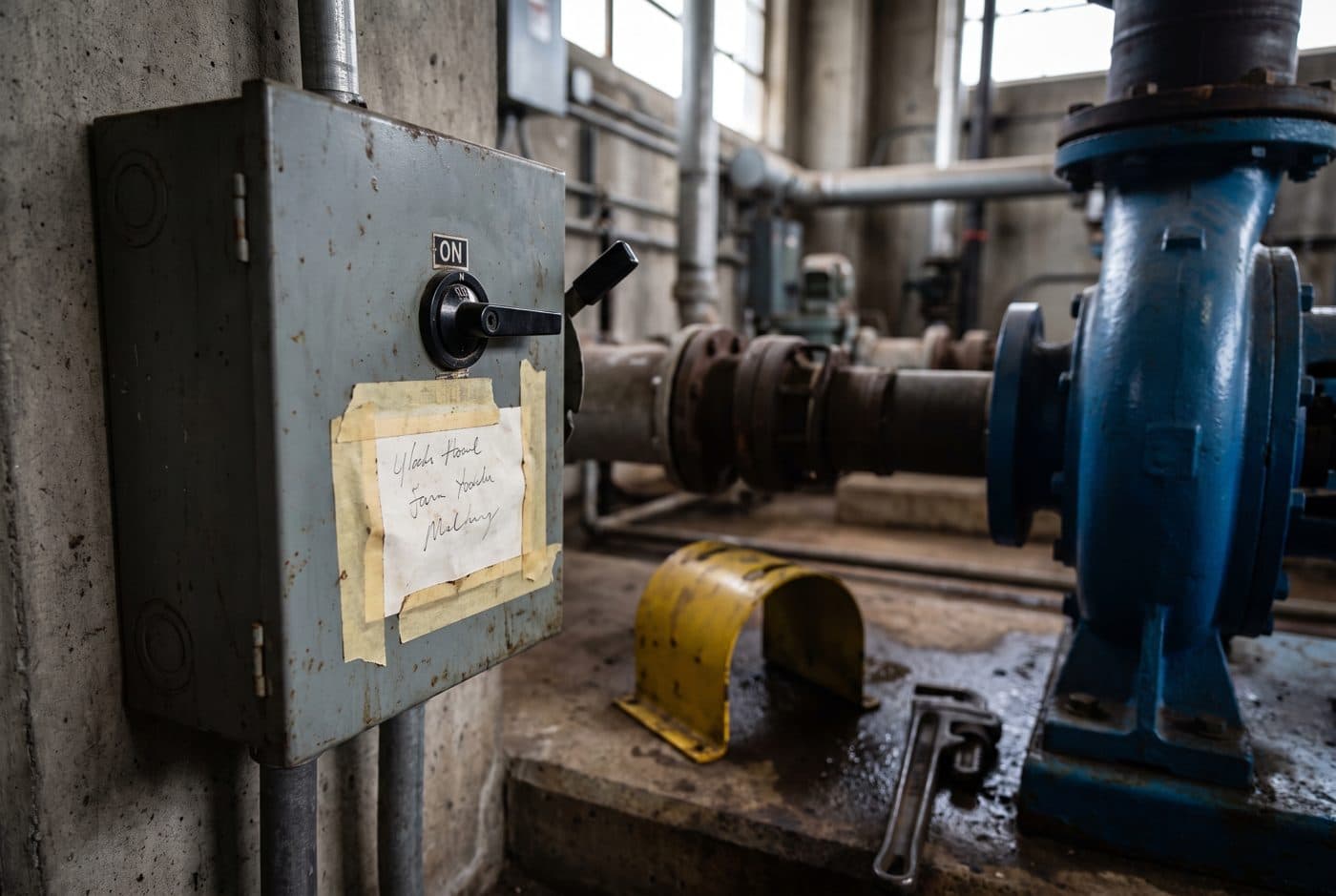
Incidents and near misses
Early accessFrom incident to root cause to fix
Claims and the OSHA 300
Claims stay on the case with their follow-ups, and OSHA 300 and 300A fill in as cases are decided.
Toolbox talks
Crews briefed on their own findings
Safety data sheets for every site
Crews scan the code on the cabinet to open that site’s sheets, and container labels print from the sheet your team accepted. Early access
Your pre-task plan as a form
Fill it by voice, collect crew signatures and route it for review. Early access
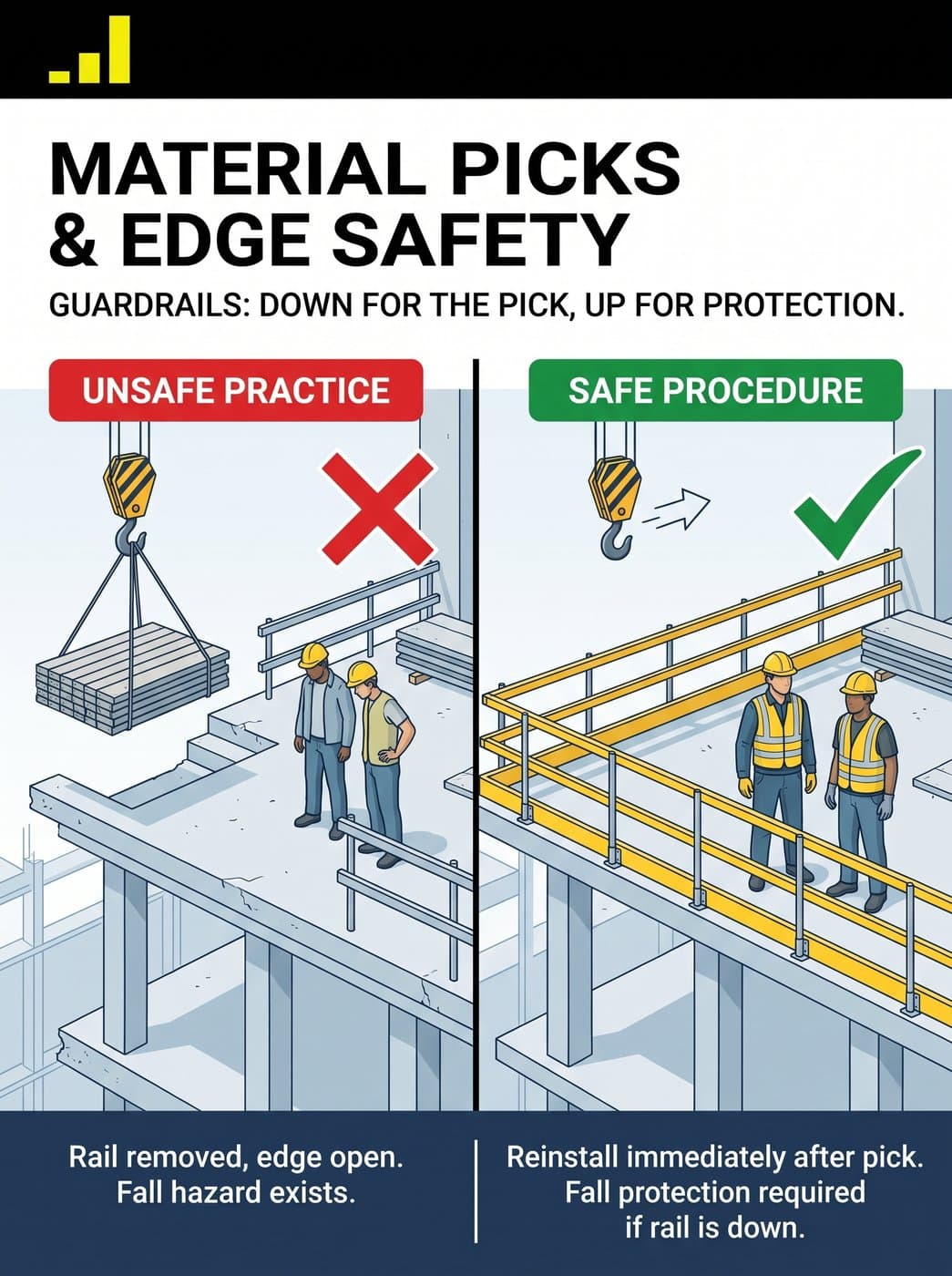
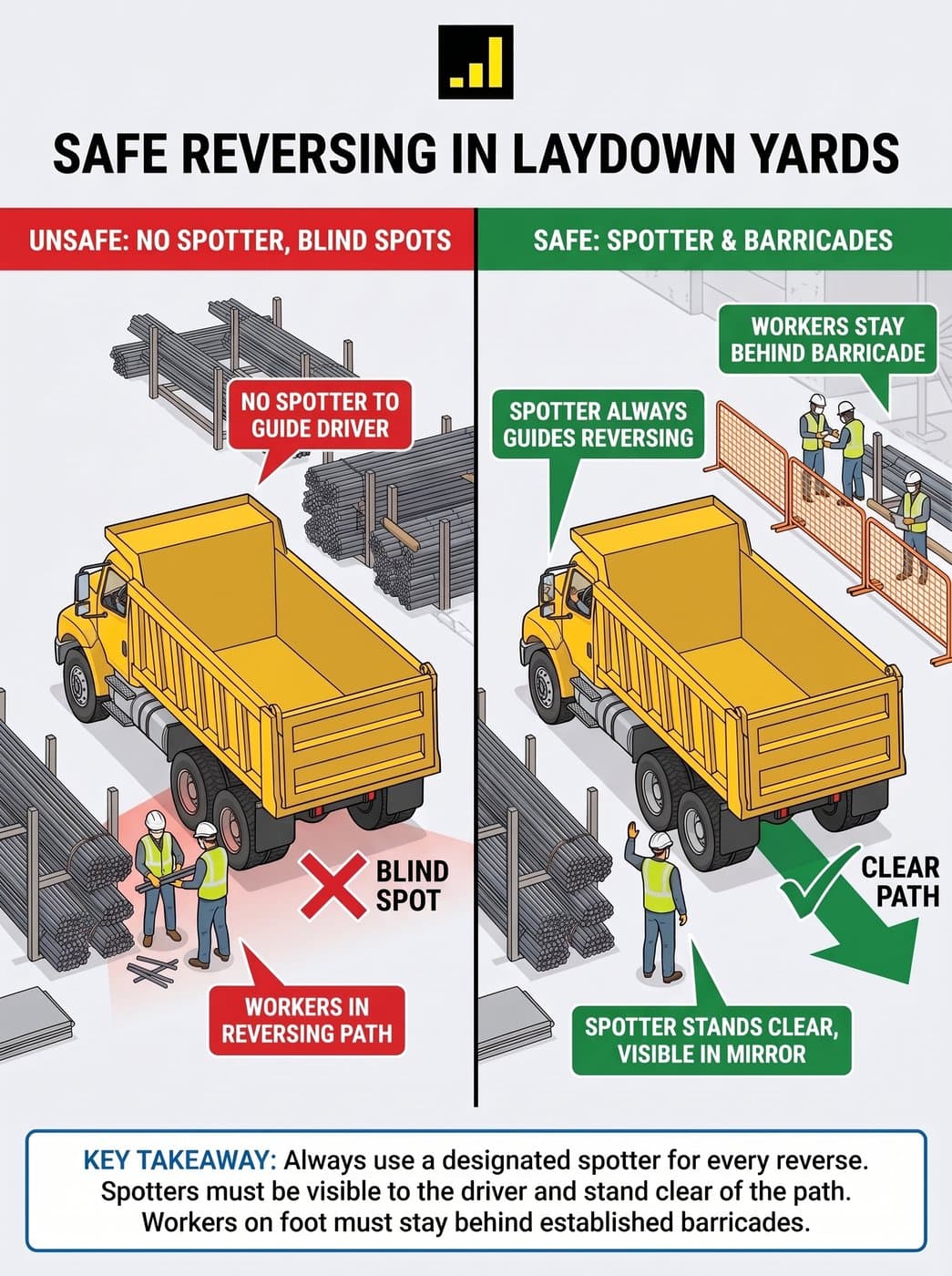
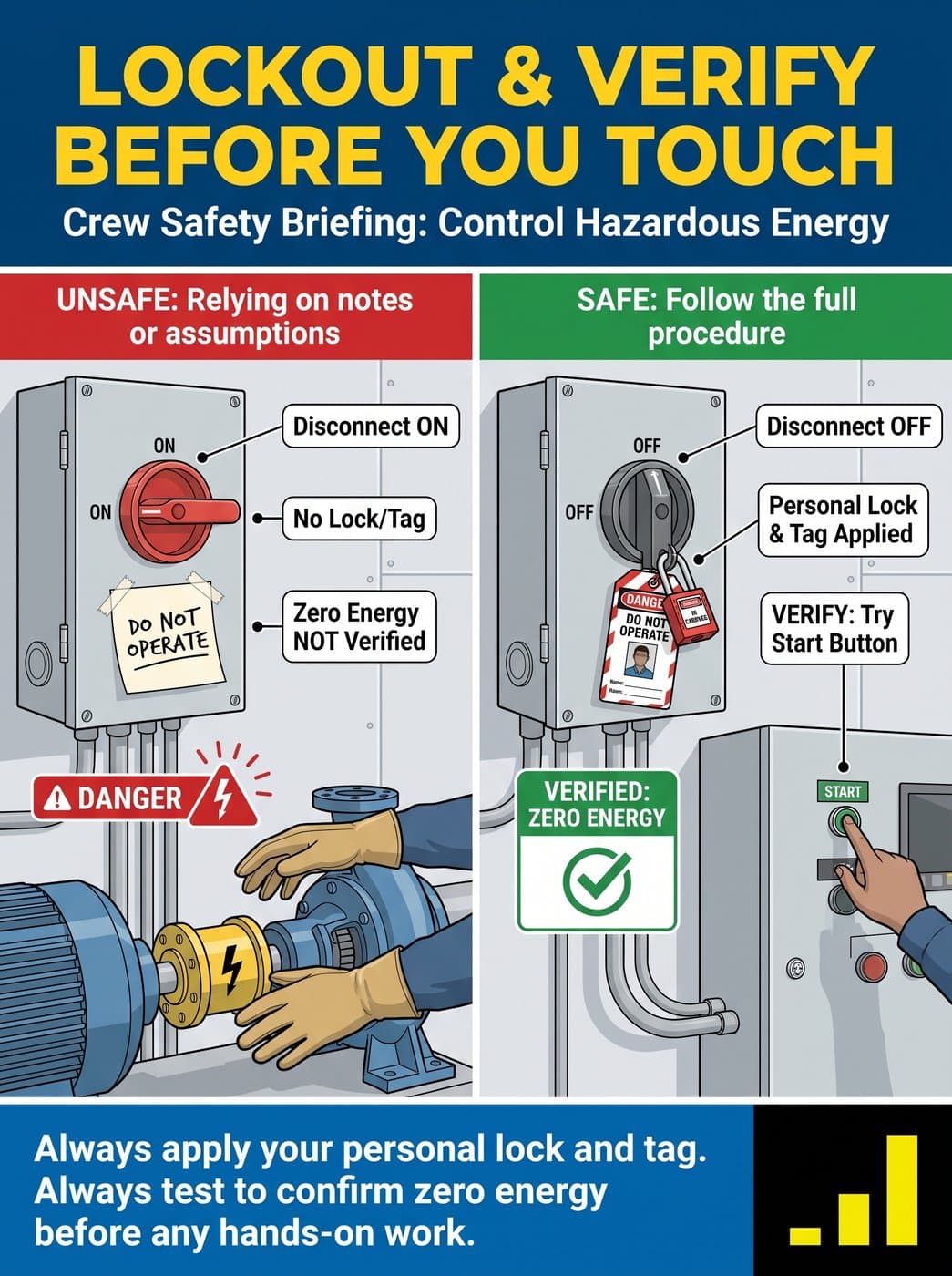
Poster 1 of 3: Lock out, then verify
01 / 03 · Lock out, then verify
The return
What safety gets back
More reports, same team
Reporting is a voice note, so more of what crews see gets recorded.
Your own program, cited
Every finding is checked against OSHA and your own program, and the record cites the manual and the page.
A record an auditor can follow
Photos, checked citations, the owner and the closing note stay together.
Training from real findings
Toolbox talks are built from findings on your own sites, so crews learn from hazards they know.
Questions
Asked on every call
Is the AI making the safety call?
Which documents does it cite?
Can I see what drives serious-injury potential?
How do we prove the conditions that day?

Bring us your hardest finding
Pick the finding from last month that worried you most. We capture it, cite your own program and follow it to a closure you can prove.