Blog

Insights and updates on workplace safety, AI assistants, and best practices

Read more
Energy-Based Safety: Seeing Hazards Through the Lens of Energy

Energy-Based Safety: Seeing Hazards Through the Lens of Energy

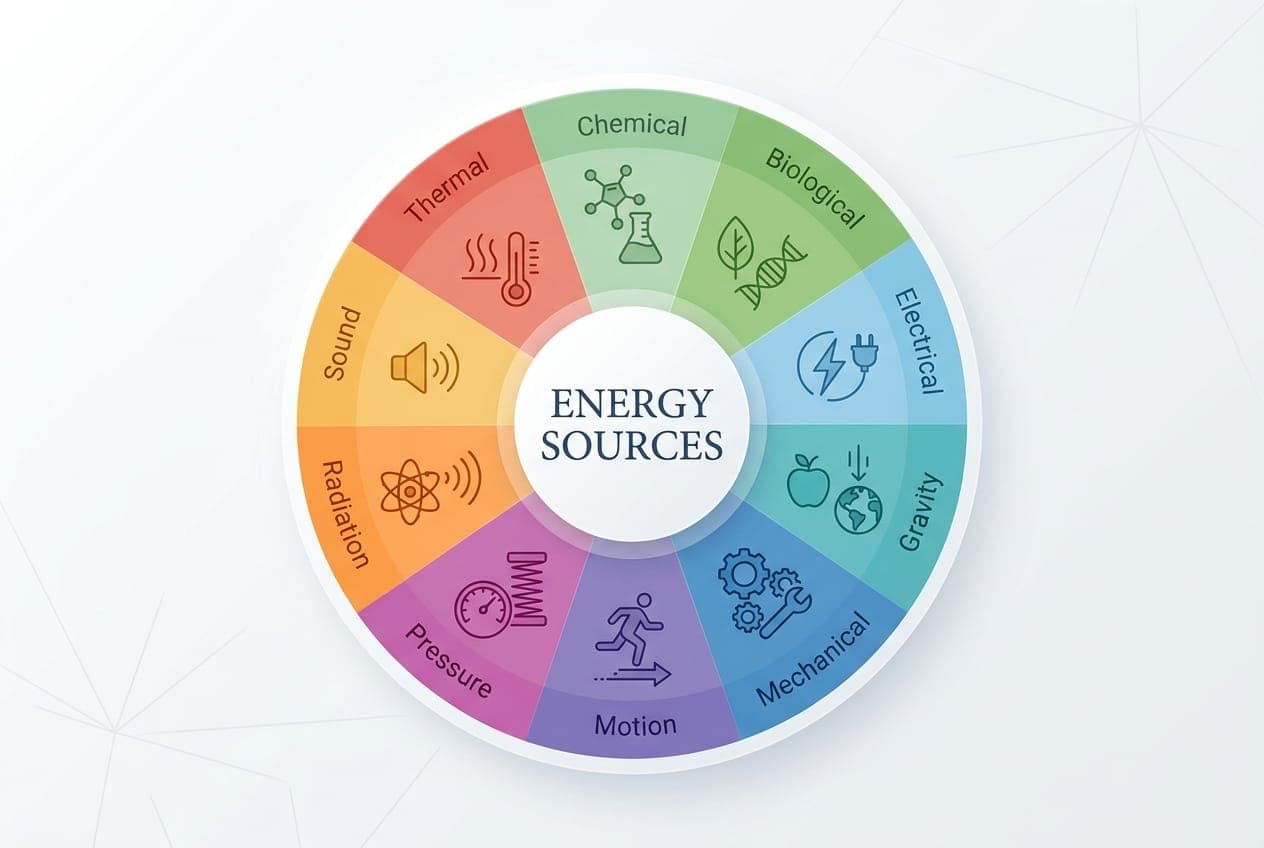
At a glance: Energy-based safety shifts the focus from counting incidents to recognizing and controlling the forces that cause serious harm. Research shows workers naturally identify fewer than half of hazards in pre-job briefs. The Energy Wheel improves recognition by about 30% by making hazardous energy explicit. High-Energy Control Assessment (HECA) then measures whether those hazards are controlled with safeguards that remain effective even when people make mistakes. Together, these methods

Brady Keene
Brady Keene
3 min read
Read more
Spotting SIF Precursors Before It’s Too Late

Spotting SIF Precursors Before It’s Too Late

At a Glance: Preventing serious injuries and fatalities (SIFs) starts with recognizing the warning signs that show up long before an event. These signals, called SIF precursors, often reveal when controls are weakening or when work is drifting under pressure. By learning to spot precursors, and by using AI to surface patterns that humans miss, organizations can shift from reacting to incidents to preventing them. What Are SIF Precursors? A precursor is an early warning sign. Think of it as a

Brady Keene
Brady Keene
3 min read
Read more
Preventing serious injuries and fatalities (SIFs) with AI

Preventing serious injuries and fatalities (SIFs) with AI

At a glance An introduction to SIFs. Focus on high-energy hazards, not minor injuries. Spot precursors like shortcuts, repeats, and fatigue. Build capacity instead of blame with real controls that hold under pressure. Measure leading indicators like closure time, verification, and exposure trends. Use AI to surface patterns early so crews act before conditions line up with serious harm. What is a SIF? A serious injury or illness is one that poses an immediate threat to life or, if not quickly

Brady Keene
Brady Keene
4 min read
Read more
How do you improve your safety inspections?

How do you improve your safety inspections?

Inspections protect people only when the outcome is hazard control. The goal is not more boxes checked. The goal is better decisions on the floor and in the field. Use these four moves to upgrade your inspection process this week. At a glance: focus on high energy hazards. Capture evidence in the flow of work. Assign owners with due dates and verify completion. Turn findings into learning that prevents repeats. 1 - Prioritize high energy hazards Serious harm comes from high energy exposures.

Brady Keene
Brady Keene
2 min read
Read more
Storm Chasing and Workplace Safety

Storm Chasing and Workplace Safety

Anyone else watch storm chasing? I’m hooked. With Starlink, live storm-chasing streams have exploded. From the comfort of my living room, I can watch teams track severe weather, massive hail, and tornadoes in real time. It’s thrilling... and, honestly, a little nerve-wracking to see. At first glance, it looks like pure chaos. People driving within yards of tornadoes, sometimes straight into them. But if you look closer, the best chasers aren’t daredevils, they’re meticulous. Hours before the f

Brady Keene
Brady Keene
3 min read
Read more
The Backpacker’s Guide to Safety Leadership

The Backpacker’s Guide to Safety Leadership

I’ve been watching a lot of YouTube lately. Not the algorithm-driven drama or tech reviews, but creators traveling to every country in the world with nothing more than a backpack, a phone, and a tent. No hotel bookings. No production crew. Just resourcefulness, grit, and a commitment to exploring every corner of the globe, one uncertain night at a time. At first glance, this might seem far removed from the world of occupational safety and health. But the more I watch, the clearer the connection

Brady Keene
Brady Keene
3 min read
Read more
Soft Skills... More Important Than Technical Skills?

Soft Skills... More Important Than Technical Skills?

Some of my best students have never been the most technically gifted. They are not the ones who aced every exam or filled their schedules with club meetings and certifications. They are usually the ones who could walk into a house party, strike up a conversation with anyone, and hold their own in an honest, sometimes difficult, conversation. They are personable, grounded, and real. And more often than not, they become the best safety professionals I know. It is easy to assume that technical kn

Brady Keene
Brady Keene
3 min read
Read more
Simulation-Based Safety Training: What Works Best in 2025?

Simulation-Based Safety Training: What Works Best in 2025?

In construction, safety training has always hinged on repetition, reminders, and routine. But in 2025, with preventable incidents still costing lives, the industry is finally asking: what actually works? It turns out the answer might be virtual. Simulation-based training, especially when delivered through virtual or augmented reality, is proving to be more than a flashy upgrade. It is a measurable improvement. Immersion Beats Information Dump Safety knowledge retention has long been a challe

Brady Keene
Brady Keene
2 min read
Read more
From Nursery Notes to Jobsite Safety: The Three Point Shift Handoff That Stops Surprises

From Nursery Notes to Jobsite Safety: The Three Point Shift Handoff That Stops Surprises

Each evening our babysitter shares three quick facts about my eight month old son: how long he slept, which toys held his attention, and how much milk he drank. Those simple notes guide the rest of the night. They tell me whether I should move bedtime earlier, which toys to keep nearby while I prepare dinner, and how large his dinner should be. Imagine applying the same clear, three point handoff to our projects and facilities. Could concise updates like these help us spot daily risks and map a

Brady Keene
Brady Keene
3 min read